
Mineral processing is a material step in the and purification of worthy metals and minerals from the . Whether you're looking to gold, iron ore, copper, or other worthful materials, understanding the right solutions for mineral processing is key to ensuring , cost-effectiveness, and the overall succeeder of your surgical process.
In this complete guide, we search the various types of mineral processing , their functions, and the role they play in material extraction and mineral extraction. By sympathy the equipment used in these processes, you can make educated decisions about optimizing your operations.
1. Overview of Mineral Processing
Mineral processing refers to the techniques used to extract worthy minerals from ore deposits. The goal is to part the place material from the waste rock(gangue) and meliorate the timbre of the product for further processing or sale. The process involves several stages, including suppression, detrition, floatation, leach, and more.
Mineral processing equipment is studied to help in each present of the work, and the option of depends on the specific mineral being refined, the ore characteristics, and the wanted outcomes.
2. Types of Mineral Processing Equipment
The diverse nature of mineral processing requires technical for each represent. Below are the primary categories of stuff processing :
2.1 Crushing Equipment
The first step in the material processing flow is typically stifling, where boastfully chunks of ore are low to smaller, manipulable sizes. Crushers come in several forms:
- Jaw Crushers: Used for primary quill stifling, jaw crushers break down boastfully pieces of ore by compressing them between two plates.
- Cone Crushers: These crushers are used for secondary winding or Tertiary stifling, offer fine stuff output and inflated capacity.
- Impact Crushers: These are used to break apart down harder, brittle materials by subjecting them to high-speed impact forces.
- Gyratory Crushers: Suitable for big-scale processing, gyratory crushers unite both compression and shear to fall apart ores.
2.2 Grinding Equipment
Once ore is rough, it must be run aground to a fine subatomic particle size to facilitate the of minerals. Grinding includes:
- Ball Mills: These cylindric devices are occupied with abrasion media(e.g., nerve balls) and rotate to bray ore into a fine pulverize.
- Rod Mills: Similar to ball Mills, but using long rods instead of balls for grinding, these Mills are typically used for coarser abrasion.
- Autogenous and Semi-Autogenous Mills: These Mills use the ore itself as the grinding media, reduction the need for external detrition media.
- Vertimills: Vertical detrition Robert Mills that offer vitality for fine attrition applications.
2.3 Separation Equipment
Separation is one of the most vital stairs in material processing. It involves separating worthy minerals from run off material or gangue. The primary quill legal separation techniques let in:
- Flotation Cells: These are used to part minerals based on their ability to form bubbles. Flotation cells use a chemical work to attach to moderate particles to air bubbles, which are then skimmed off.
- Gravity Separators: These devices work the difference in density between materials, with heavier particles settling to the fathom and igniter particles ascension.
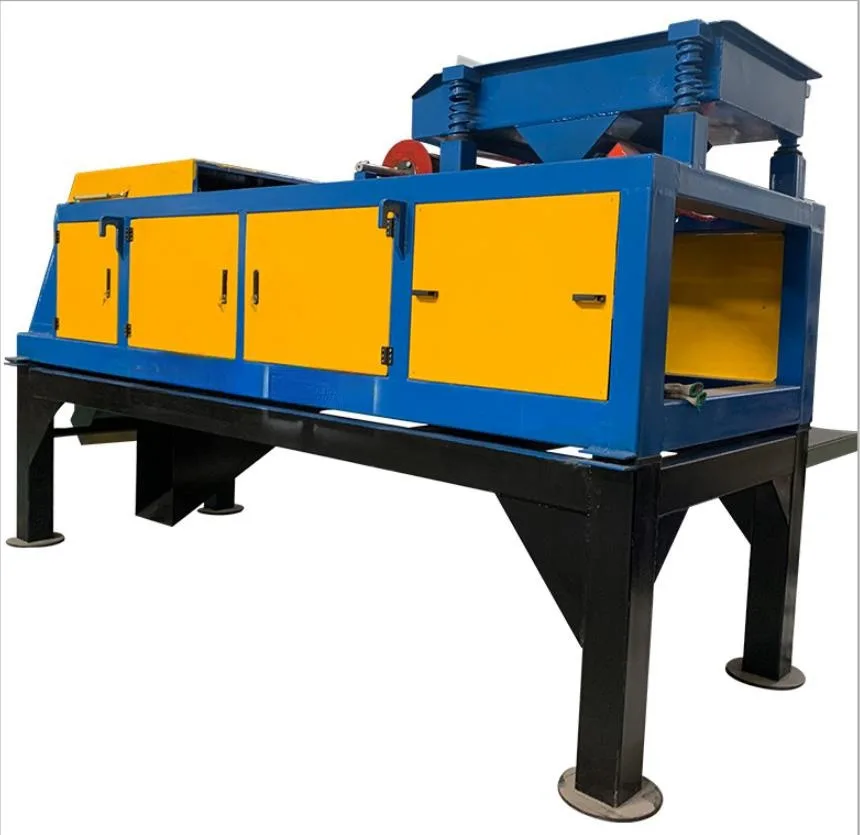
- Permanent Magnetic Separator : These use magnetised W. C. Fields to separate magnetised materials from non-magnetic ones, usually used for iron ore ore processing.
- Shaking Tables: These flat tables use vibrations to help part minerals based on denseness and particle size.
2.4 Leaching Equipment
Leaching is a chemical work on that extracts minerals from ore using solvents. Common types of leach equipment let in:
- Cyanide Leach Tanks: Used in gold processing, cyanide leaching extracts gold from ore through a chemical substance response.
- Heap Leaching Systems: A cost-effective method, particularly for low-grade ores, where crushed ore is piled in stacks, and a leach solution is percolated through it.
- Agitation Leach Tanks: These tanks allow for saturated mixing of the ore with a result to enhance stuff , ordinarily used for copper, gold, and uranium processing.
2.5 Screening Equipment
Screening is the process of separating materials by size using a mesh or sieve. Screens help in classifying material before and after the processing stages, and they come in various forms:
- Vibrating Screens: These screens use vibration to dribble materials supported on size, typically used after stifling to split fine and mealy materials.
- Trommel Screens: Large cylindrical screens used to sift materials, often used in minelaying operations for sorting ores by size.
- Static Screens: These use gravity to separate particles by size and denseness, with applications in wet processing plants.
2.6 Dewatering Equipment
After the legal separation stages, it is often necessary to transfer surplusage irrigate from the refined materials. Dewatering equipment plays a life-sustaining role in this process, including:
- Filter Presses: Used to transfer water from slurry by forcing it through dribble media, resultant in a solid state cake of stuff.
- Thickeners: These large tanks allow for the settling of solids from slurries, creating a thicker concentrate.
- Centrifuges: High-speed rotating equipment that separates solids and liquids by centrifugal wedge, commonly used for fine subatomic particle legal separation.
3. Considerations for Choosing Mineral Processing Equipment
When selecting the right for a material processing surgical procedure, several factors must be considered:
- Ore Type and Grade: The mineral's characteristics and the ore’s mark determine the needful . High-grade ores may need less intensifier processing than lower-grade ores.
- Processing Capacity: Choose equipment supported on the come of material you need to process. Larger trading operations may need larger or more technical machinery.
- Efficiency: The goal is to maximize retrieval while minimizing vitality using up and downtime. Selecting vim-efficient will reduce operational .
- Cost: The direct cost of purchasing the equipment should be weighed against its performance and operating over time.
- Environmental Impact: Modern should meet environmental standards, minimizing dust, make noise, and water use, as well as controlling emissions.
4. Trends and Innovations in Mineral Processing Equipment
The stuff processing manufacture is constantly evolving with field advancements. Key innovations include:
- Automation and AI: Automation in stuff processing helps optimize equipment performance and reduce human being wrongdoing. Artificial intelligence(AI) can be used for prognosticative upkee and work on optimization.
- Sustainability: Companies are increasingly focal point on eco-friendly solutions. This includes using less vitality, reduction irrigate expenditure, and implementing processing techniques such as dry stacking for tailings.
- Smart Sensors and Data Analytics: These tools help ride herd on equipment performance, anticipate failures, and ameliorate overall efficiency.
- Advanced Separation Technologies: New methods, such as sensing element-based sort, have emerged to increase the efficiency of ore sort and reduce energy use.
5. Conclusion
Selecting the right material processing is vital to the success of mining trading operations. By understanding the variety show of available and considering factors such as ore characteristics, capacity, and efficiency, you can make well-read decisions that will optimize your mineral processing set. With continuing advancements in engineering, material processing is becoming increasingly competent, cost-effective, and environmentally amicable, paving the way for a more sustainable futurity in the minelaying manufacture.
When considering solutions, always look up experts, carry proper examination, and stay knowledgeable on industry innovations to ascertain your operation corset ahead of the wind.
Recent Comments