It Is Possible To Upgrade Your System From Windows 7 To Modern Windows And Office Licensing.
Windows 7 was no longer supported, and that meant that the era of licensing software. For individuals and businesses clinging to `windows 7`, the upgrade path to Windows 11 is not a simple re-installation–it's a migration to a fundamentally different digital paradigm. This shift affects every aspect of the Windows 11 experience, starting with how you purchase your Windows lizenz, all the way to how you collaborate with Office and safeguard your system. Digital licenses and cloud-integrated subscriptions have replaced the traditional world of isolated software suites physical media, single-use purchases. This transition is best navigated by identifying the 10 key points where traditional practices meet modern needs. As an example, the decisions made about your OS will directly affect your productivity suites, security measures and the future capacity.
1. Hardware Gauntlet. Your first and final, non-negotiable act.
Windows 11 hardware requirements are essential to know prior to buying Windows 11 (TPM 2, Secure Boot, CPU modern). Windows 7 and older machines are most likely to fail the test, especially those built before the year 2017. This isn't just an opportunity for Microsoft cash grab, but it's also a requirement for security. These security features are the "hardware foundation of trust" that is the foundation upon which third-party protections like Kaspersky premium and Windows Defender rely. Bypassing these requirements through non-official ISO modifications creates a unstable and unsupportable system which negates all security benefits that the upgrade offers. The result is that you are less secure than on Windows 7.
2. License migration Myth Windows 7 Keys are (mostly), obsolete.
In the past it was possible to utilize a Windows 7 Pro activation key for Windows 10. Windows 11 no longer has this grace period. Windows 7 OEM licenses, as well as those tied to old motherboards, are no longer valid for Windows 11 installations on older hardware. Restarting with a fresh start is the only option. You're starting from scratch.
3. The Office Licensing Revolution.
If you use Office 2010 or Office 2013 on Windows 7 you are accustomed to a permanent "office license". The current version, Office 2021, is a dead-end product on day one. It receives security patches but it doesn't have any new features. Microsoft 365 is the upgrade path to productivity. This change is significant: it's not just about upgrading Office. You also get an identity that is cloud-based (Azure), 1TB of OneDrive space, and real-time collaboration. The old practice of buying a office licensing every 10 years needs to be reviewed in light of a continuous operational cost that includes continuous updates and other services.
4. Security Should Not Be an Afterthought. Change the paradigm.
Windows 7 probably had you using an antivirus that was third party like an old Norton 360. Windows 11 completely changes the environment. Windows Security Defender, the integrated security application that comes with Windows 11, is a high-end solution that works with cloud services. It is not enough to install third-party application. This could lead to performance and conflict issues. It's a good idea to consider your options prior to upgrading. Are you really in need of an additional antivirus program like "kaspersky premium" or is Defender's combination with the latest hardware security features sufficient? Your answer will depend on the threat model you are using. The idea that you must purchase an antivirus program separately is no longer the case.
5. The "Clean Install" Imperative and Data Migration Strategy.
Upgrades in-place from Windows 7 to 11 is not supported and can cause for instability. This should not be an attempt to restart. This requires a systematic data migration. It's time to shift your data from local drives and onto the cloud. Microsoft 365 includes OneDrive. Configuring Known Folder Move during setup (to backup Desktop, Documents and Pictures) transforms your data migration into a seamless, cloud-synthesized and ongoing process. You can now move your data away from being focused on your PC to being users-centric.
6. The Professional Feature Crossroads: Pro is the New Minimum.
Windows 11 Pro has to be purchased in the event that Windows 7 Professional was used to host BitLocker hosting, domain joining Remote Desktop, or BitLocker. This is a mistake you should avoid for commercial or professional use. Home is not compatible with BitLocker as well as has no Group Policy editor, and is unable to join domains. If you're planning to upgrade from Windows 7 Pro to Windows 11 Pro, a Microsoft 365 Business subscription or retail license is the only way to maintain professional functionality and data protection.
7. Beware the Grey Market Siren Call During the transition.
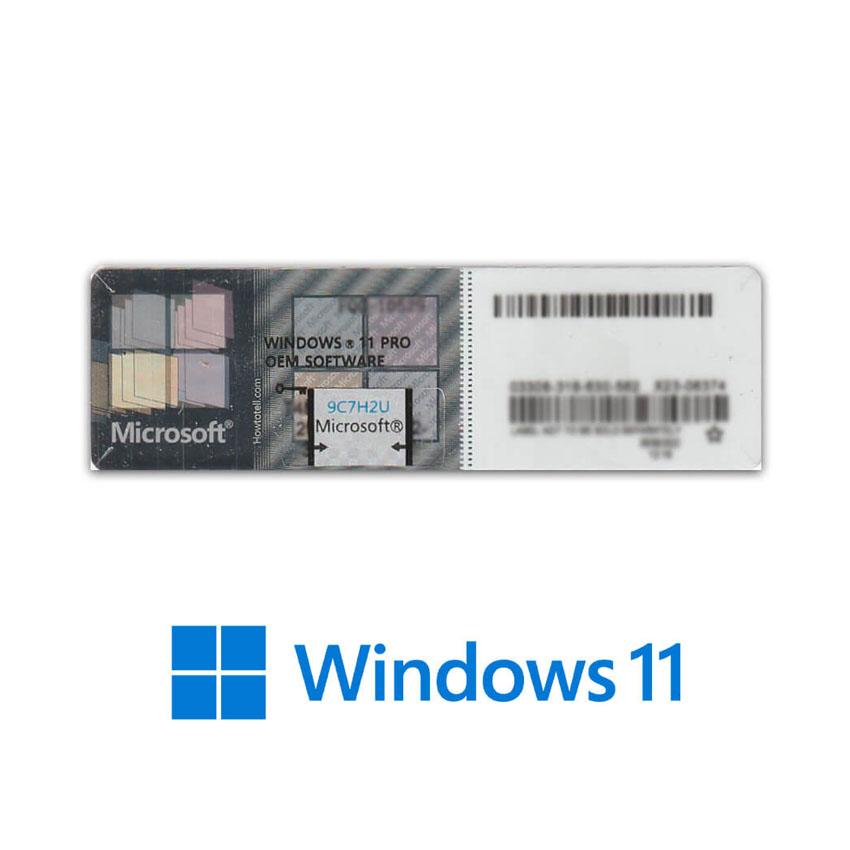
The urgency to upgrade and the price shock associated with new licenses prompt many to seek cheap `windows 11 oem keys on gray markets. It is an error that could have devastating consequences in a system transition. The keys won't work and you'll be left with an unreliable foundation, just when you need to build a system. By investing in a genuine Retail license or Windows subscription (like Microsoft 365 Business) You'll have peace ofmind, direct customer service, and a guaranteed upgrade path in the future. Grey market keys can cost you data and time when they are removed.
8. Cloud Computing and Future Proofing Cloud Computing and Future Proofing Server Connection
Windows Server 2025 is expected to be the next generation of your Windows 7 computer if it was part of a domain. Windows 11 Pro alone is not enough for the modern day integration. A deeper knowledge of what cals (Client-Access Licenses) is required. The cloud alternative is Azure Active Directory that comes in Microsoft 365 Business plans. The transition from Windows 7 is the moment to make a decision: should you continue to invest in on-premise servers and CALs or switch towards cloud-based identity management and device management (Intune) through subscription? The cost structure and licensing differ in a fundamental way.
9. Driver Archaeology, and the need to Have a Modern Hardware Base
Windows 7 thrived on a vast library of legacy drivers. Windows 11 relies on modern, often cloud-sourced drivers through Windows Update. Windows 7 can be unreplaceable when you own special hardware. An exhaustive assessment of the compatibility of hardware is required as part the upgrade assessment. This can reveal that a real upgrade is required, and a new PC that is pre-installed with the windows11 oem licence is the ideal choice.
10. A Shift in Philosophies From Ownership, to Manage and Access.
Upgrades from Windows 7 are a shift in the way you think about it. The old model of static software ownership (windows7 DVD and Office2010 box) is being replaced by an subscription-based service or digital license with very strict transfer restrictions. Your security strategy shifts from an antivirus that can be installed on your computer, to a system with integrated hardware. Your data moves from local storage to cloud-based identity. Utilizing the Microsoft 365 plan and a Windows 11 Pro license, together with the latest security features will ensure that you're not changing to a different OS. Also, you'll be able to establish an IT foundation that's durable, up-to-date and adaptable to the next decade. Read the top windows 11 home key for site examples including windows server 2016 server, office2019 download, microsoft office key, windows server 2016 os, windows server 2016 os, windows office software, office2019 download, outlook software download, windows server 2019, windows office software and more.

Software Bundles Are They Worth It? Or Not? Norton 360 Office Deals.
It's easy to get tempted by a software package like one that has norton360 as well as a Microsoft office lizenz. These bundles are frequently available at major retailers as well as when you purchase a brand new PC. They can provide convenience and savings. The real value of these bundles lies not in the headline discounts however, but in an in-depth analysis of license alignment, the overlap between features, and long-term suitability for the digital ecosystem you're in. A bundle that includes an application that is subscription-based with a perpetual software license creates an unintended gap in the product's lifecycle and management. In assessing these deals, it is essential to remove layers of information in order to fully comprehend the effect they have on your system's credibility, the upgrade path from an older version like "windows 7" or any additional needs such as central management or integration with other services such as "windows Server 2025". Below are ten specific aspects that help determine if a bundle is a good strategic choice or a trap for tactical reasons.
1. The core mismatch Subscription vs. Perpetual License Lifecycles.
The licensing model conflict is the main problem with many "norton 360" + Office bundles. Norton 360 is an annual subscription. Office 2021) is almost always an annual license. This creates a divergent lifecycle which means that your antivirus must be renewed every year, while your Office suite will remain in effect until you choose to buy a new version (often 5+ years after). The "savings" of the bundle are only one-time events which bind you to an Office perpetual version and don't decrease the Norton subscription costs. It's an unbundled package, not a fully integrated solution.
2. Bundles often hide the "Which office?" Question.
The term Office can be a bit confusing. Are you talking about an ongoing Office Professional Suite or the lesser capable Office Home & Student suite (which isn't equipped with Outlook but has commercial usage limitations) Microsoft Office is often advertised as part of a bundle. However, the actual application might not be suitable for many business environments. To evaluate the bundle properly you must know the exact SKU. If you require Outlook to send emails, a bundle with Home & Student is worthless, regardless of Norton discount.
3. The Foundation of Trust: Your Windows License's Legitimacy Matters.
Norton 360 and Microsoft Office rely on solid Windows operating system that is up-to-date and legitimate to function optimally. If your computer is running on a questionable `windows 11 oem` key from a grey-market `windows 11 lizenz kaufen` site The security of the base is at risk. In an untrustworthy OS, security suites or productivity software are built on the sand. If the base platform of the bundle is untrustworthy, or in danger of being removed, which would disrupt licensing for both products, then the value of the bundle could be diminished.
4. Windows 11: Security built-in and redundancy (Windows 11)
Windows Defender provides cloud-integrated protection within Windows 11. Norton 360 is a feature overlapper and can conflict with system resources. It could make you buy and install a suite of security software that you don't technically need. It's crucial to begin your evaluation by looking at the threat model and the behavior of users. Would the included Defender suffice or do you need Norton's additional options (such as the password manager, VPN, or dark web monitoring)? The bundle frequently takes the latter without questioning.
5. The "Upgrade to Windows 7" Context – A short-term bridge.
The bundles could provide temporary logistical benefits to users finally migrating away from Windows 7. It provides both the current Office and Norton security suite in one purchase, which eases the transition stress. This is a shortsighted solution. Microsoft 365 is a modern subscription that provides continuously up-to-date Office, enhanced security (through Defender for endpoint on higher plans), and an all-in-one flexible plan. The bundle is a good alternative to getting rid of Windows 7 but could lock users to an older version (perpetual Office).
6. Management overhead for companies: the anti-synergy.
Every business, regardless of how small, will find it difficult to manage a bundle which includes separate Norton 360 licenses and standalone Office licences. There isn't a single management console available. Norton renewal dates must be managed separately. Office installations are managed manually. Additionally, you must deal with two vendor portals. Microsoft 365 Business Premium subscriptions permit users to manage identities, Office apps and advanced security settings through one administration panel. The claimed cost savings quickly become negated due to the increase in IT labour.
7. It isolating the perpetual office by ignoring the cloud ecosystem.
This perpetual "office license" is an island. It does not include OneDrive cloud storage, Microsoft Teams, or the real-time collaborative co-authoring capabilities that define modern work. This is a standalone desktop product. If you bundle Norton with an antivirus suite, it may come with its own backup service, which can lead to a disjointed product experience. It's paying for two separate, non-communicating stacks when only a single subscription (M365) could connect them seamlessly.
8. Kaspersky Premium's Alternative Approach to Competitors
Unlike Norton, `kaspersky premium` isn't often integrated with Office. It is a direct competitor in the field of security. The value proposition is the superior heuristic detection capability and lower impact on the system, which is appealing to power users. If you are evaluating the Norton+Office Bundle, consider this question: Would I prefer to purchase an ongoing Office License separately, and joining it with an alternative Security Suite like Kaspersky that is more suited to my requirements in terms of technology? This bundle eliminates the choice.
9. Zero Integration for Advanced Infrastructure (Windows Server and CALs)
These consumer/business-consumer bundles exist in a silo completely separate from organizational IT infrastructure. They do not offer an avenue or synergy with a Windows Server 2025 environment as well as the necessary "cals". They cannot be managed from Windows servers via Group Policy. These are meant for very small or single-user offices. This bundle is an expensive waste when you plan to grow your business and require an official server.
10. The True Cost Calculation Bundle Price Vs. Strategic Subscription.
To get the most value from your investment for your investment, you must conduct a TCO analysis over a time period of three years. Compare Bundle = Cost of one-time bundle plus (Norton annual subscription x 3 + cost of next Office perpetual license 2026). Microsoft 365 Business Basic/Premium vs. (Monthly Subscription x 36 Months). Subscriptions almost always include always-current Office software, 1TB OneDrive Cloud Storage, Business Email, and advanced security/management tools. In the course of this period, any "discounts" whether in the beginning or otherwise, are gone and you're left with less efficient software that's harder to manage. The bundle's "value" is usually an illusion, particularly for those who require more than simple isolated computing. Follow the most popular office lizenz kaufen for more recommendations including windows & office, windows server software, windows server 2016 server, microsoft office download, microsoft office download, office 365 office key, microsoft project, product keys, ms project, microsoft office key and more.