
Hair health is closely connected to overall nutrition. Your hair follicles need a steady supply of protein, vitamins, minerals, and other nutrients to grow normally. When the body does not receive enough of certain nutrients, hair may become weak, dry, brittle, or thinner than usual. This naturally leads many people to wonder whether best multivitamin tablets in Pakistan can help support stronger and healthier hair.
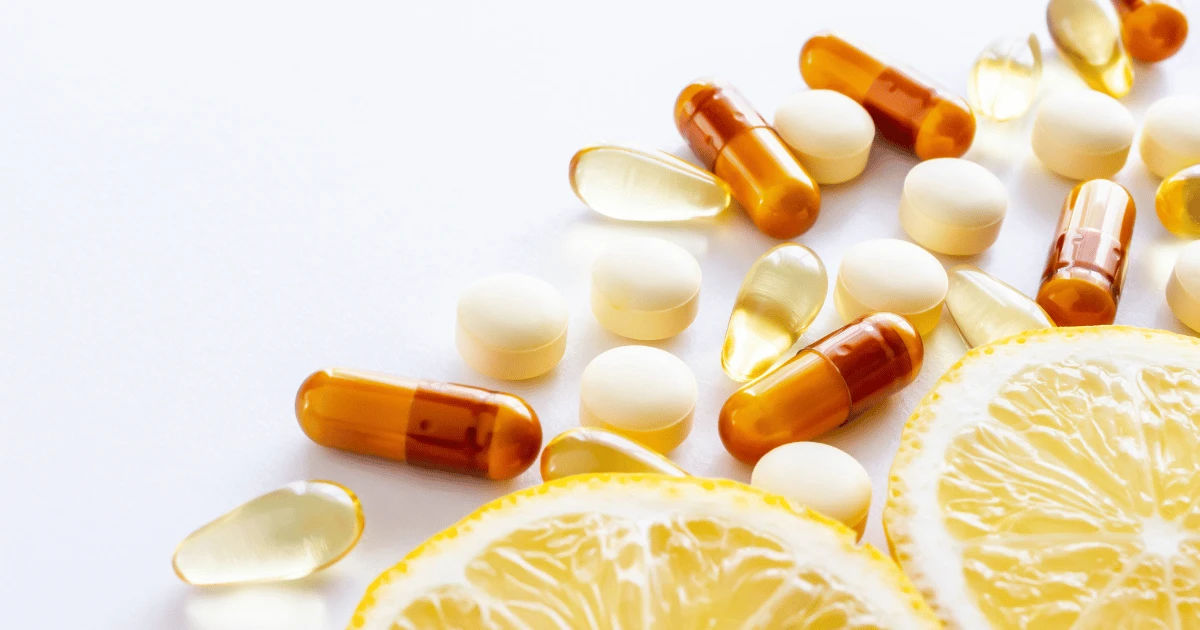
The important point is that multivitamins are not magic hair-growth treatments. They are designed to provide essential nutrients that may be missing from the diet. If hair problems are related to a nutritional deficiency, correcting that deficiency can support normal hair growth. However, taking extra vitamins when you already have enough may not make your hair grow faster.
How Nutrition Affects Hair Health
Hair is produced by rapidly dividing cells inside the hair follicle. Because these cells are active, they need adequate nutrition to function properly. A balanced diet supplies much of what the body requires, but poor eating habits, restrictive diets, digestive problems, or increased nutritional needs can sometimes make it difficult to get enough nutrients.
Several vitamins and minerals are particularly important for normal hair structure and follicle function. These include iron, zinc, vitamin D, vitamin B12, folate, and other B vitamins. Protein is also extremely important because hair is primarily made from a protein called keratin.
This does not mean that every person with hair loss needs a multivitamin. Hair shedding can have many causes, including genetics, hormonal changes, stress, illness, certain medications, scalp conditions, and nutritional deficiencies.
Can Best Multivitamin Tablets in Pakistan Support Hair?
Yes, best multivitamin tablets in Pakistan may support hair health when they provide nutrients that a person is lacking. For example, someone with an inadequate intake of iron or zinc may experience hair-related problems, and improving nutritional status can be beneficial.
However, the word "best" depends on the individual's nutritional needs. A supplement containing large amounts of every vitamin is not automatically better. In fact, unnecessarily high doses of certain nutrients can cause side effects and, in some circumstances, contribute to health problems.
A sensible multivitamin should complement a healthy diet rather than replace it. The goal is to fill nutritional gaps, not to consume excessive amounts of nutrients.
Important Nutrients for Hair
Biotin
Biotin is one of the most commonly discussed nutrients in connection with hair. It helps the body process carbohydrates, fats, and proteins. Biotin deficiency can contribute to hair thinning, but true deficiency is relatively uncommon.
This is why taking very high doses of biotin is not necessarily useful for everyone. If a person is not deficient, increasing the dose does not guarantee faster or thicker hair growth.
Another important consideration is that high-dose biotin supplements can interfere with certain laboratory blood tests. Anyone taking large amounts should tell their healthcare professional before having blood work.
Iron
Iron is important for producing hemoglobin, which carries oxygen throughout the body. Inadequate iron status can be associated with hair shedding, particularly when iron deficiency is significant.
People who have heavy menstrual bleeding, follow diets low in iron-rich foods, or have certain medical conditions may be more likely to develop iron deficiency.
Iron should not be taken casually in high amounts, however. Too much iron can be harmful. If deficiency is suspected, appropriate testing and professional guidance are preferable.
Zinc
Zinc supports many processes in the body, including normal immune function, cell division, and tissue maintenance. Since hair follicles contain rapidly growing cells, adequate zinc is important for normal follicle activity.
A zinc deficiency can be associated with hair loss. On the other hand, excessive zinc intake can create problems, including interference with copper absorption. More is not always better.
Vitamin D
Vitamin D has several important functions in the body, and researchers have investigated its relationship with hair follicle activity and different types of hair loss.
Some people have low vitamin D levels, especially when their diet and lifestyle provide limited sources. If a deficiency exists, correcting it may be useful for overall health and potentially hair health as part of a broader treatment plan.
Still, vitamin D should be taken at an appropriate dose. Extremely high intake can be harmful.
Vitamin B12 and Folate
Vitamin B12 and folate are important for cell production and normal blood formation. Inadequate levels can affect general health and may contribute indirectly to problems involving hair.
People following restrictive diets may need particular attention to B12 intake because natural vitamin B12 is primarily found in animal-derived foods. However, supplementation should be based on individual needs rather than assumptions.
Vitamin A
Vitamin A is necessary for normal growth and healthy skin. But it provides an excellent example of why taking more vitamins is not always better.
Both inadequate vitamin A and excessive vitamin A can be associated with problems. Very high intake from supplements can even contribute to hair loss. Therefore, a balanced formulation and sensible dosage are more important than choosing the product with the highest numbers on the label.
What Should You Look for in a Multivitamin?
When comparing best multivitamin tablets in Pakistan, start by examining the nutrition label instead of focusing only on advertising claims.
Look at which vitamins and minerals are included and how much of each nutrient is provided. A reasonable product should offer useful amounts without unnecessarily extreme doses.
Quality and manufacturing standards also matter. Choose products from reputable manufacturers and check the packaging, ingredient information, serving instructions, expiry date, and storage recommendations.
It is also worth considering whether the supplement is designed for your age and nutritional needs. Men, women, older adults, and people with specific dietary patterns may have different requirements.
Are Multivitamins Enough for Hair Growth?
No. Best multivitamin tablets in Pakistan should be viewed as nutritional support rather than a complete hair-growth solution.
Your daily diet still matters enormously. Hair follicles need adequate protein and energy, while the rest of the body requires a broad range of nutrients. Eggs, fish, poultry, dairy products, legumes, nuts, seeds, vegetables, fruits, and whole grains can all contribute valuable nutrients.
Hydration and general health also matter. Extreme dieting can reduce nutrient intake and may trigger increased hair shedding. Eating enough nutritious food is therefore a basic part of maintaining healthy hair.
When Can a Multivitamin Help Most?
A multivitamin is most likely to be useful when a person has an inadequate dietary intake or a confirmed nutritional deficiency.
For example, someone who regularly skips meals or follows a highly restrictive diet may have nutritional gaps. In such situations, a suitable supplement can provide nutrients that are difficult to obtain consistently from food.
However, hair loss caused by genetics or hormonal factors may not improve simply because someone starts taking vitamins. This distinction is important because it prevents people from wasting money on supplements when another treatment approach may be more appropriate.
Hair Loss Is Not Always a Vitamin Problem
One of the biggest mistakes people make is assuming that every episode of hair loss is caused by a vitamin deficiency.
Genetic pattern hair loss is one common cause. Stress, significant illness, rapid weight loss, hormonal changes, thyroid problems, scalp disorders, and some medications can also affect hair growth.
If shedding is sudden, severe, patchy, or persistent, it is sensible to speak with a healthcare professional. They can assess possible causes and decide whether blood tests or other investigations are appropriate.
Taking multiple supplements without knowing the cause can make the situation more confusing rather than solving it.
Can Taking Too Many Vitamins Damage Hair?
Yes, excessive supplementation can sometimes work against your goal.
Certain nutrients can become harmful when consumed in excessive amounts. High intake of vitamin A, for example, has been associated with hair loss. Excessive amounts of some minerals can also interfere with the absorption or use of other nutrients.
This is why best multivitamin tablets in Pakistan should not be judged by the highest dosage. A carefully balanced formula is generally more sensible than a product that provides extremely high amounts of individual nutrients.
If you already take separate supplements, check their ingredients before adding another multivitamin. Otherwise, you may unintentionally consume much more of a nutrient than intended.
Multivitamins and a Healthy Hair Routine
Supplements work best when they are part of a broader approach to hair care.
Start with a balanced eating pattern containing sufficient protein, vegetables, fruits, whole grains, and healthy sources of fats. Avoid crash diets and prolonged periods of severe calorie restriction.
Handle hair gently. Excessive heat styling, frequent chemical treatments, tight hairstyles, and rough brushing can contribute to breakage. These problems are different from hair loss at the follicle, but they can still make hair look thinner and weaker.
Scalp health also deserves attention. Persistent itching, scaling, redness, pain, or unusual patches may indicate a scalp condition that requires professional evaluation.
Who Should Be More Careful With Supplements?
People taking prescription medicines, managing a medical condition, preparing for surgery, or using several different supplements should speak with a healthcare professional before starting a new multivitamin.
Pregnant and breastfeeding individuals should also choose supplements carefully because nutrient requirements change during these periods, and some nutrients can be harmful at excessive doses.
Children and teenagers should not automatically use adult formulations. Their nutritional needs and appropriate supplement doses can be different.
Older adults may also have particular nutritional considerations, especially when appetite, digestion, or medication use affects dietary intake.
How Long Does It Take to Notice a Difference?
Hair grows slowly, so nutritional improvements are not usually visible overnight.
If a nutritional deficiency is contributing to hair shedding, correcting the deficiency may support recovery, but noticeable changes can take time. Hair cycles also mean that improvements in the body do not immediately translate into visibly thicker hair.
This is another reason to be cautious about products promising dramatic results within a few days or weeks. Healthy hair growth is a gradual biological process.
Common Mistakes to Avoid
A common mistake is buying a supplement simply because it is marketed specifically for hair. A long ingredient list does not automatically mean better results.
Another mistake is combining several products with overlapping ingredients. A multivitamin, hair supplement, beauty gummy, and individual vitamin may all contain some of the same nutrients.
People also sometimes stop eating well after starting supplements. This defeats the purpose. A multivitamin cannot replace protein, calories, fiber, essential fats, and the wide range of naturally occurring compounds found in a varied diet.
Finally, do not ignore ongoing hair loss. If the problem continues despite improved nutrition, investigate other possible causes rather than continuously increasing supplement doses.
Choosing the Best Option in Pakistan
When searching for best multivitamin tablets in Pakistan, focus on suitability, quality, ingredient transparency, and appropriate nutrient levels.
Avoid choosing solely because of an attractive advertisement or a promise of rapid hair growth. Check whether the product contains nutrients relevant to your diet and whether the serving instructions are clear.
It is also useful to consider the total amount of nutrients you receive from other supplements and fortified foods. A product that looks moderate by itself may become excessive when combined with several other products.
For someone with a confirmed deficiency, a healthcare professional may recommend a specific nutrient rather than a general multivitamin. That approach can be more targeted.
Conclusion
Best multivitamin tablets in Pakistan can support hair health when they help provide nutrients that the body is not getting adequately. Nutrients such as biotin, iron, zinc, vitamin D, B12, and folate all have important roles in normal body functions related to healthy tissues and hair follicles.
But a multivitamin is not a guaranteed hair-growth treatment. If your diet already provides sufficient nutrients, taking increasingly large doses is unlikely to produce dramatically better results and may sometimes create unnecessary risks.
The most practical approach is to look at hair health as part of overall health. Eat a varied, nutrient-rich diet, get enough protein, avoid extreme dieting, care for your hair gently, and use supplements thoughtfully.
If hair shedding is persistent, sudden, severe, or accompanied by other symptoms, finding the underlying cause is more important than simply purchasing another bottle of vitamins. A healthcare professional can determine whether nutritional deficiencies or another condition may be involved.
Ultimately, the best supplement is not necessarily the one with the longest ingredient list or the highest doses. It is the one that fits your nutritional needs, comes from a reliable source, and is used appropriately. With realistic expectations and good nutrition, multivitamins can be one useful part of a broader strategy for maintaining healthy hair.