
Most homeowners only suspect a problem when unusual physical symptoms linger without a clear medical cause, or when a faint, persistent odor refuses to leave a hallway. You replace the air filters, run a store-bought purifier, and scrub the baseboards, yet waking up with sinus pressure, headaches, or throat irritation remains a regular event. When ordinary cleaning routines fail to produce clean results, treating symptoms becomes an exhausting guessing game. Fixing persistent environmental trouble inside a home requires a tactical diagnostic mindset rather than random remedies, shifting the focus from masking odors to systematically uncovering what is circulating through your living space. Indoor Air Quality.
Pinpointing Hidden Environmental Triggers Inside Your Living Space
Air carries an invisible mixture of microscopic particles, humidity, and chemical vapors that constantly interact with your HVAC system and building materials. In regions with persistent humidity like Southwest Florida, high moisture loads regularly overwhelm standard residential air conditioning setups. When humidity levels stay above optimal thresholds for extended windows, building materials absorb ambient moisture, creating localized zones where microbial growth and chemical off-gassing accelerate.
Evaluating your indoor air quality begins by identifying these subtle points of vulnerability. Building envelopes, especially in modern construction designed to be airtight for energy efficiency, often trap contaminants inside. Everyday building products, fresh paint, pressed-wood cabinetry, and synthetic fabrics release volatile organic compounds that remain suspended in stagnant air. Without proper diagnostic monitoring, it is nearly impossible to tell whether your discomfort stems from elevated humidity, concentrated chemical vapors, or hidden mold spores colonizing behind drywall.
Diagnostic Bottlenecks That Mask Poor Indoor Air Quality
Homeowners frequently hit bottlenecks when attempting to resolve indoor air quality problems on their own. One major stumbling block is relying solely on visible evidence. Mold spores and chemical contaminants do not always display outward patches on ceilings or trim work. Often, colonies thrive inside wall cavities, beneath luxury vinyl flooring, or inside sealed ductwork where casual inspection cannot reach.
Another common hurdle involves consumer-grade testing kits sold at hardware stores. These petri-dish settle plates lack controlled volume measurement, meaning they cannot quantify spore counts in relation to cubic meters of air. They inevitably grow spores simply because mold exists everywhere outdoors, yielding false alarms without delivering usable, actionable data. Without precise measurements of actual concentrations, you remain stuck in an endless loop of unconfirmed worry and ineffective retail fixes.
Step by Step Environmental Screening and Laboratory Verification
Overcoming these diagnostic hurdles requires a methodical workflow that relies on calibrated instruments and third-party laboratory analysis. A systematic assessment begins with thermal imaging and non-invasive moisture meters. These tools reveal damp insulation, hidden plumbing leaks, and temperature anomalies where condensation forms out of sight.
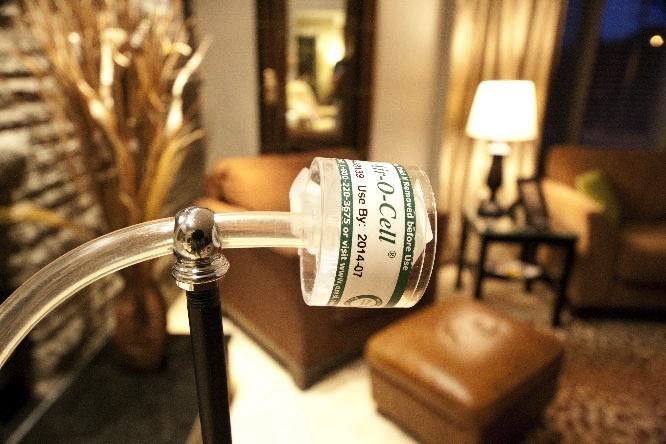
Following the moisture inspection, specialized air pumps pull precise air volumes through calibrated cassettes to trap airborne particulates. This sample collection allows analysts to determine not just whether mold is present, but which specific species exist and in what concentrations compared to outdoor baseline levels. In addition, comprehensive indoor air quality testing can include chemical screening to measure total volatile organic compounds, formaldehydes, and fine particulate matter.
Reliability hinges entirely on third-party verification. When samples go directly to an independent, accredited laboratory, human error and commercial bias are eliminated. Homeowners then receive clear, data-driven reports detailing the exact microscopic profile of their indoor atmosphere, cutting through uncertainty within a matter of days.
The Value of Unbiased Diagnostic Data in Coastal Florida
Accuracy in environmental testing requires a strict separation between assessment and repair. When an inspection company also sells remediation or moisture extraction services, an inherent conflict of interest exists. The most trustworthy evaluation comes from professionals whose sole business is measuring the environment.
Mold Inspector Sarasota operates as a licensed, independent mold testing company based in Sarasota, FL, dedicated strictly to diagnostic accuracy. The firm provides mold inspection, mold testing, indoor air quality testing, and comprehensive VOC and chemical testing without ever offering remediation services. Because they do not sell repairs, their findings remain strictly objective and free from commercial pressure.
Every sample collected during an evaluation is submitted directly to an accredited third-party lab, and clients receive a clear, comprehensive report within 24 to 48 hours. This swift turnaround allows homeowners, property managers, and buyers to make prompt, well-informed decisions. Catering to residents across Sarasota, Bradenton, Lakewood Ranch, Venice, Longboat Key, and Siesta Key, they offer convenient same-week appointments to quickly address pressing environmental concerns.
Moving from Discovery to Targeted Remediation Protocols
Once scientific data identifies the exact particulate and gas levels in a home, the guesswork ends. A detailed lab report serves as a precise roadmap that tells you whether you are dealing with elevated fungal counts from a hidden leak, an HVAC system spreading cross-contamination, or toxic chemical off-gassing from recent home renovations.
With this information in hand, you can hold contractors accountable or hand an exact protocol to a remediation specialist if removal is truly necessary. Addressing the root cause, whether it involves balancing relative humidity, repairing a slow roof drip, or venting volatile organic compounds, permanently transforms your living space. Taking control of your indoor air quality protects both the structural health of your property and the daily comfort of everyone living under your roof.