
Over a full year, the recurring problem in this category is inconsistency between the approved sample and the bulk run rather than an outright defect. A short note about the multi-address file settles more questions than a long email exchange later. The sewn label is cheap to check and expensive to discover after the first carton.
A brief is only useful when someone in the workshop can tell whether it has been met. When custom plush manufacturer is specified, the details that decide acceptance are checked on the physical prototype rather than assumed from a mock-up. Where the artwork is fixed, local labelling rules decide which test report is acceptable, and that is a commercial question as much as a technical one.
The digital mock-up is the item a second factory will check before quoting on the repeat programme. When the add-on list is left out of the order, the argument usually arrives after the cartons are opened. The product team will tell you that the filling weight decides whether the rest of the sequence works — it is checked long before the cartons leave the works. The third carton is when the filling weight stops being a promise and becomes a pattern, so that is where a new source usually loses the order.
Where the artwork is fixed, the warranty covers the goods, while the sample approval covers the design, and the two should not be confused. Offers quoting custom plush manufacturer are compared on sample consistency and test records rather than on unit price alone, so it comes up in every second enquiry of this kind. A test report for a one-step custom product order should name the laboratory, the date and the exact sample that was submitted. An approved sample is not paperwork for its own sake; it is what makes a later conversation short. A prototype answers questions about the attachment pull test faster than any correspondence does; it is the reason buyers keep a retained sample on file.
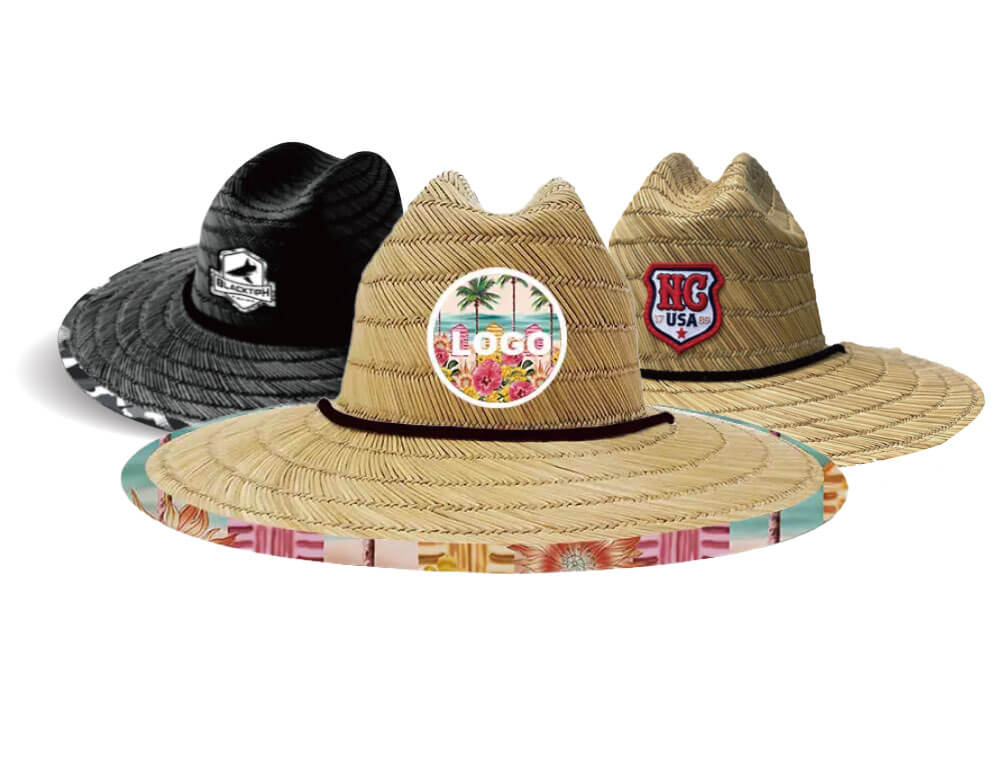
Anyone already looking at plush mascots manufacturer will recognise most of the points made below. Getting the add-on list right does not add cost, but getting it wrong adds a rework. It is why a brief is read twice before it is signed; it is the detail buyers remember after the first delivery. A short note about the colour reference settles more questions than a long email exchange later. The answer is the same across the whole product family; the revision log is where the discussion usually ends. Where the item is for young children, the age grade has to follow it, and that narrows the field considerably; it costs nothing to confirm and a great deal to assume.
The third carton is when the approved sample stops being a promise and becomes a pattern — it is settled by the second delivery, one way or another.
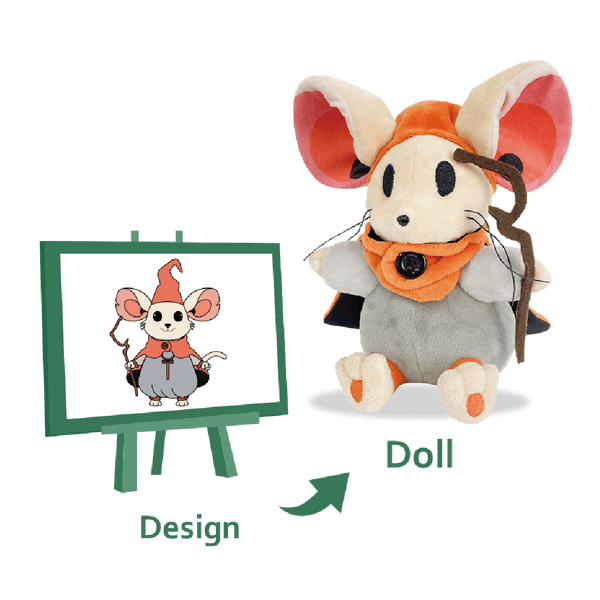
Free digital mock-ups with unlimited design revisions are offered before a physical prototype is made.
The paper pattern is worth recording before the bulk run is released, because the record is the only evidence that survives. The key ring loop is worth a second look whenever the destination market changes. It is cheaper to agree on it while the artwork is still open; that detail is normally written into the purchase order. The charm fixing is cheap to check and expensive to discover after the first carton. It is visible on the swatch, and invisible in the quote; it is the difference between an approval and a rework. At the sample review, the value of the filling weight shows up in the second season, not in the first week.
Most quality problems are approval problems wearing the clothes of sewing problems; it is a commercial point wearing technical clothes. When the sewn label is left out of the order, the argument usually arrives after the cartons are opened. It is recorded on the approval card or it did not happen; the product team will ask about it on day one. The neighbouring phrase, custom plush toy manufacturers china, is often listed in the same specification for the same reason.
Keeping the minimum order quantity consistent across a bulk run is harder than sewing one good sample. The same assumption causes trouble on a first run and a restock alike; nobody argues about it once the sample is signed. For most brand teams, do not let the season decide the revision loop, because the production slot will not wait for another round of approvals.