
Choosing the right pages for kids can make a huge difference in how children learn, play, and stay engaged at home or in the classroom. The right pages for kids are not just simple printouts; they can become powerful tools for creativity, early education, and emotional development. 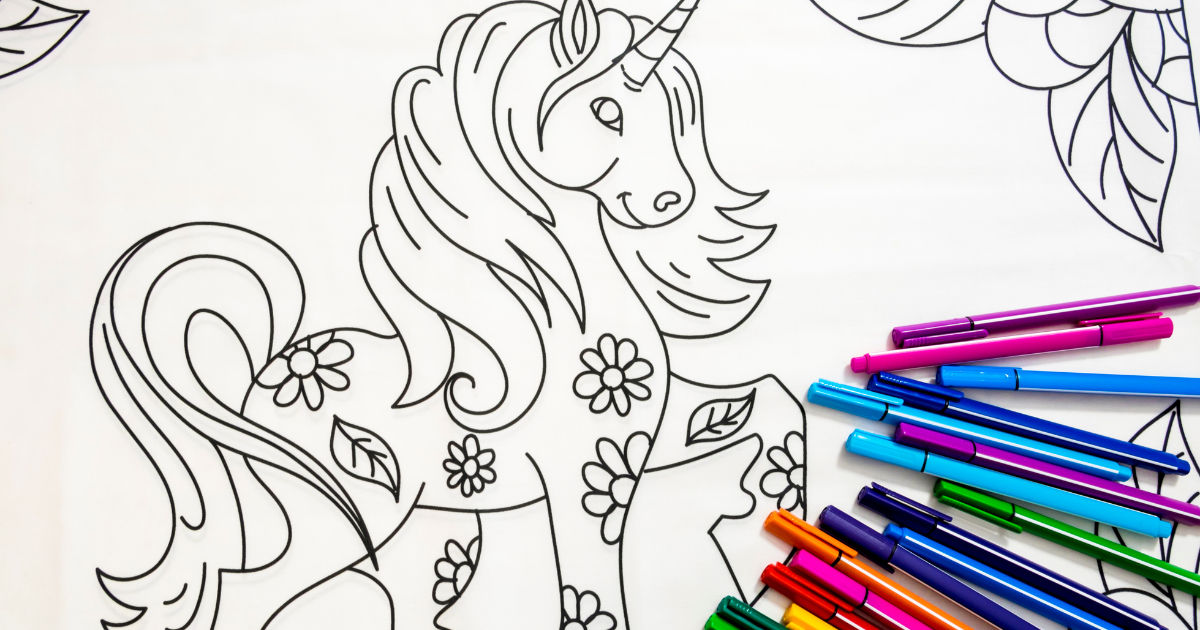 Parents, teachers, and caregivers often overlook how important well-selected pages for kids are in shaping focus, curiosity, and fine motor skills.
In today’s digital world, printable learning tools are still highly valuable. The right pages for kids can turn screen-free time into meaningful activity time. Whether used for coloring, tracing, puzzles, or educational exercises, pages for kids can support learning in a fun and stress-free way. However, choosing them correctly requires understanding age level, learning goals, design quality, and safety considerations.
This guide explains everything in detail so you can confidently select the best pages for kids for different needs, environments, and age groups.
Why Printable Pages Matter
Printable learning materials play a stronger role in child development than many people realize. Good pages for kids help children build focus, creativity, and independence. They also allow adults to guide learning without needing expensive tools or complex technology.
One of the biggest advantages of pages for kids is accessibility. You can print them anytime and use them repeatedly. This flexibility makes pages for kids a practical solution for homes, schools, and even travel situations.
Another reason they matter is engagement. Children often respond better to visual and hands-on activities. High-quality pages for kids encourage them to participate actively instead of passively consuming content. Over time, this improves attention span and learning retention.
Finally, pages for kids are cost-effective. Instead of buying multiple activity books, parents can choose and print exactly what they need. This makes learning more customizable and efficient.
Types of Printable Pages for Children
There are many categories of pages for kids, and understanding them helps you choose wisely. Each type serves a different purpose, from entertainment to education.
Coloring pages for kids are the most common. These help children improve creativity and hand coordination. They also teach color recognition and patience.
Tracing pages for kids focus on handwriting skills. These are essential for preschool and early elementary learners.
Educational worksheets are another type of pages for kids. These include math problems, alphabet practice, and reading exercises.
Activity-based pages for kids include mazes, connect-the-dots, and puzzles. These are excellent for problem-solving skills.
Seasonal or themed pages for kids are also popular. They include holiday-based designs that make learning fun and timely.
Each type of pages for kids offers unique learning value, so combining them can create a balanced learning experience.
Matching Pages with Age Appropriateness
Age is one of the most important factors when selecting pages for kids. Choosing materials that are too advanced or too simple can reduce interest and learning value.
For toddlers, simple pages for kids with large shapes and minimal detail work best. These help develop basic motor skills and recognition abilities.
For preschoolers, slightly more complex pages for kids are suitable. These may include letters, numbers, and simple coloring tasks.
For early elementary children, more structured pages for kids such as math problems or sentence-building worksheets are ideal.
Older children benefit from advanced pages for kids that include puzzles, creative writing prompts, and logic-based challenges.
When the difficulty level matches the child’s development stage, pages for kids become both enjoyable and educational.
Educational Value of Printable Pages
The educational impact of pages for kids is significant when used correctly. They can reinforce school lessons and introduce new concepts in a simple way.
Math-focused pages for kids help children practice basic arithmetic and problem-solving. Repetition through worksheets builds confidence.
Language-based pages for kids improve reading comprehension, vocabulary, and writing skills. They make learning more interactive than textbooks alone.
Science-themed pages for kids introduce curiosity about nature, space, and the environment.
Even creative pages for kids support cognitive growth by encouraging imagination and storytelling.
When used regularly, pages for kids help children connect classroom learning with practical understanding.
Safety and Content Considerations
Not all pages for kids are suitable for every child. Safety and content appropriateness should always be checked before printing.
Avoid pages for kids with confusing visuals or overly complex themes for younger children. These may lead to frustration instead of learning.
Make sure pages for kids are free from inappropriate symbols, text, or themes that do not align with a child-friendly environment.
It is also important to choose pages for kids from trusted sources. Reliable educational websites or teacher-approved materials are usually safer.
Additionally, ensure that pages for kids do not promote unhealthy stereotypes or confusing messages. Content should be positive, inclusive, and age-appropriate.
When safety is prioritized, pages for kids become a trustworthy learning resource.
Importance of Design and Visual Quality
The design of pages for kids plays a big role in engagement. Well-designed pages attract attention and encourage participation.
Clear outlines are essential in pages for kids. If images are too cluttered, children may lose interest quickly.
Balanced spacing in pages for kids helps avoid visual overload and improves focus.
Attractive but simple illustrations are ideal for younger learners using pages for kids.
For older children, more detailed pages for kids can be used to challenge attention and patience.
Good design ensures that pages for kids are not just educational but also enjoyable.
Printing Quality and Practical Considerations
Even the best pages for kids lose value if printed poorly. Print quality affects readability and usability.
Always use clear resolution when printing pages for kids. Blurry lines can make activities difficult.
Paper type also matters. Thicker paper is better for coloring pages for kids, especially when using markers.
Ink quality should be considered to ensure that pages for kids remain sharp and visible.
It is also helpful to print multiple copies of frequently used pages for kids so children can practice without pressure.
Practical printing choices enhance the overall experience of using pages for kids.
Free vs Paid Printable Pages
There are both free and paid options for pages for kids, and each has advantages.
Free pages for kids are widely available and suitable for basic learning needs. They are cost-effective and easy to access.
However, paid pages for kids often provide higher quality designs, structured learning paths, and exclusive content.
Teachers often prefer curated paid pages for kids because they are more organized and reliable.
On the other hand, parents may prefer free pages for kids for casual learning or weekend activities.
A balanced approach using both types of pages for kids often works best.
Customizing Printable Pages for Better Learning
Customization makes pages for kids more effective and engaging. You can adapt them based on a child’s interests and needs.
Adding names to pages for kids makes learning more personal and exciting.
You can also combine multiple pages for kids into themed learning packs.
Adjusting difficulty levels within pages for kids helps children progress at their own pace.
Teachers often modify pages for kids to match lesson plans and classroom goals.
Customizing pages for kids ensures they remain relevant and motivating.
Step-by-Step Guide to Choosing the Best Pages
Selecting the right pages for kids becomes easier when you follow a structured approach.
First, identify the purpose of pages for kids—education, entertainment, or skill development.
Next, consider the child’s age and learning level before choosing pages for kids.
Then, evaluate the design quality and clarity of pages for kids.
After that, check the content for safety and relevance in pages for kids.
Finally, test different types of pages for kids to see which ones keep the child most engaged.
Following these steps ensures that pages for kids deliver maximum value.
Common Mistakes to Avoid
Many people make mistakes when selecting pages for kids, which reduces their effectiveness.
One common mistake is choosing overly complex pages for kids that frustrate children.
Another mistake is using low-quality printed pages for kids that are hard to read or color.
Some also ignore age suitability when selecting pages for kids, leading to disinterest.
Relying only on one type of pages for kids can also limit learning potential.
Avoiding these mistakes helps ensure that pages for kids remain useful and enjoyable.
Conclusion
Choosing the right pages for kids is more than just picking random printables. It requires understanding the child’s age, learning goals, and interests. When selected carefully, pages for kids become powerful tools for education, creativity, and development.
High-quality pages for kids support learning in a fun and interactive way, making them ideal for both home and classroom use. They also encourage independence, focus, and problem-solving skills.
From coloring and tracing to advanced worksheets, pages for kids offer endless possibilities for learning and growth. The key is to choose wisely, print properly, and match them with the child’s needs.
With thoughtful selection and consistent use, pages for kids can turn everyday learning into an enjoyable experience that builds strong foundational skills for the future.