
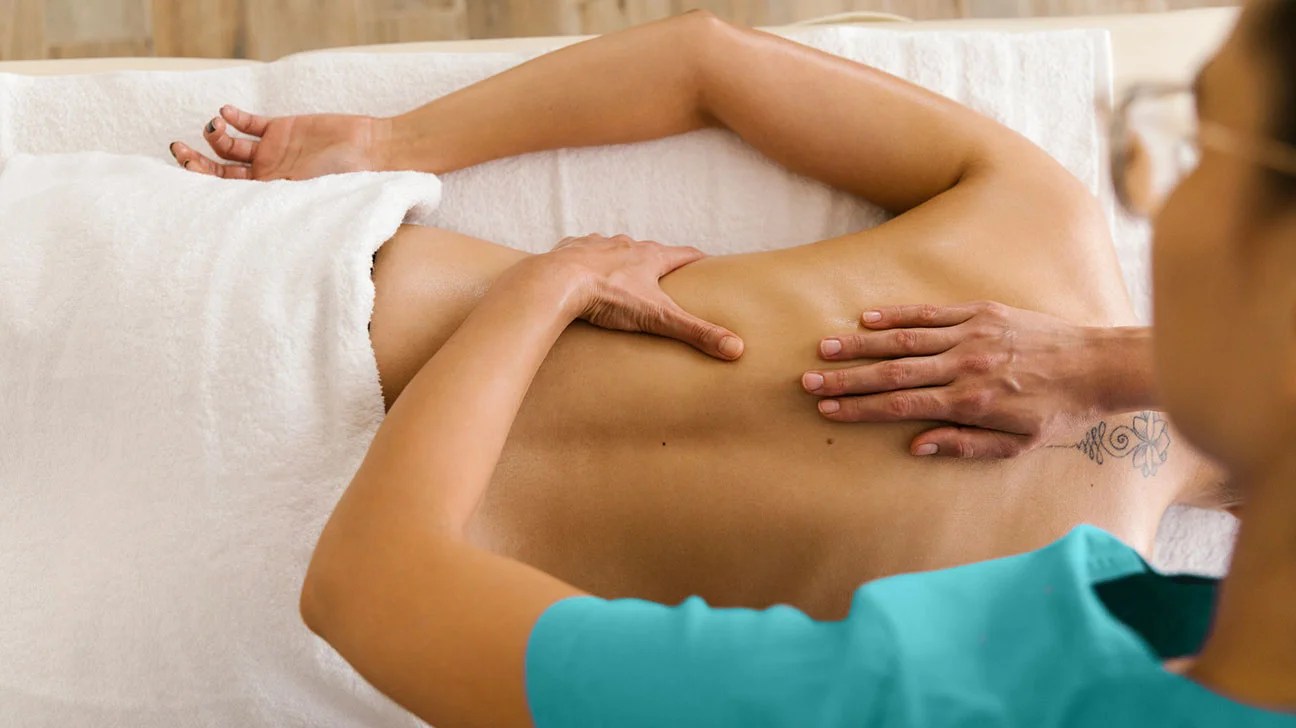
Massage treatments are increasingly recognized as a widely sought-after way to encourage relaxation, relieve stress, and enhance general wellbeing. These treatments include a variety of techniques and styles intended to address personal requirements, ranging from medical massages targeting chronic pain to pampering sessions aimed purely at maximizing relaxation. The increasing acceptance of massage therapy as a valuable component of integrated healthcare has led to a large range of services offered to clients, making it essential to understand what these treatments offer and how they can enhance both body and mind.
At its essence, massage therapy is based on the massage of muscle tissues—such as muscles and connective fibers—through manual techniques applying pressure and movement. This manual manipulation can help reduce muscle tension, boost circulation, and promote lymphatic drainage. The direct bodily effects often include less discomfort, increased flexibility, and better motion range, which are particularly valuable for people with injuries or coping with chronic ailments such as arthritis or fibromyalgia.
Beyond the physical advantages, 모란출장안마 services also significantly contribute in emotional balance by decreasing stress-related hormones while raising mood-enhancing chemicals. These effects can enhance mood, reduce anxiety, and encourage restful sleep. For many clients, a massage is not just a comfort experience but a vital element of managing everyday stress and maintaining a balanced lifestyle. The soothing atmosphere, careful techniques, and personalized care create a refuge from stress, allowing clients to relax deeply and recharge.
The range of methods is one of the main factors massage services can be adapted for different requirements. Swedish massage, one of the most common forms, uses long, gliding strokes and light to moderate pressure to foster relaxation and ease muscle tension. Deep tissue massage works with stronger pressure to address deep muscle tension and assist injury healing. Other specialized forms include sports massage, designed to prepare athletes for competition or speed recovery and hot stone therapy that merges warmth with pressure for muscle relief and better blood flow.
In addition to these popular techniques, many spas and wellness centers now offer combined therapies including massage alongside aromatherapy, reflexology, and Reiki. These integrated services focus not only on the physical body but also on mental and spiritual balance. Aromatherapy massage, for example, uses essential oils derived from plants to complement the physical massage, aiming to boost mood, relieve headaches, or improve respiratory function depending on the oils chosen.
The expertise and certification of practitioners are essential for delivering quality, safe therapy. Licensed practitioners typically undergo extensive training in anatomy, physiology, and various massage techniques. They assess each client’s individual needs, including any medical conditions or contraindications, before customizing a session. This customized care maximizes results and reduces risks.
In recent years, the convenience improved as mobile massage professionals now visit clients at home or work. This helps busy or less mobile people access massage therapy conveniently. Additionally, many businesses now incorporate on-site massage as part of employee wellness programs, recognizing its potential to reduce workplace stress and improve productivity.
Overall, massage services offer a comprehensive benefits including much more than just relaxation. Whether used as a way to treat pain, relieve anxiety, or support whole-body wellness, massage can greatly improve life quality. With its broad styles and rising recognition in health fields, massage therapy remains a vital tool for body, mind, and emotional wellness.
Recent Comments